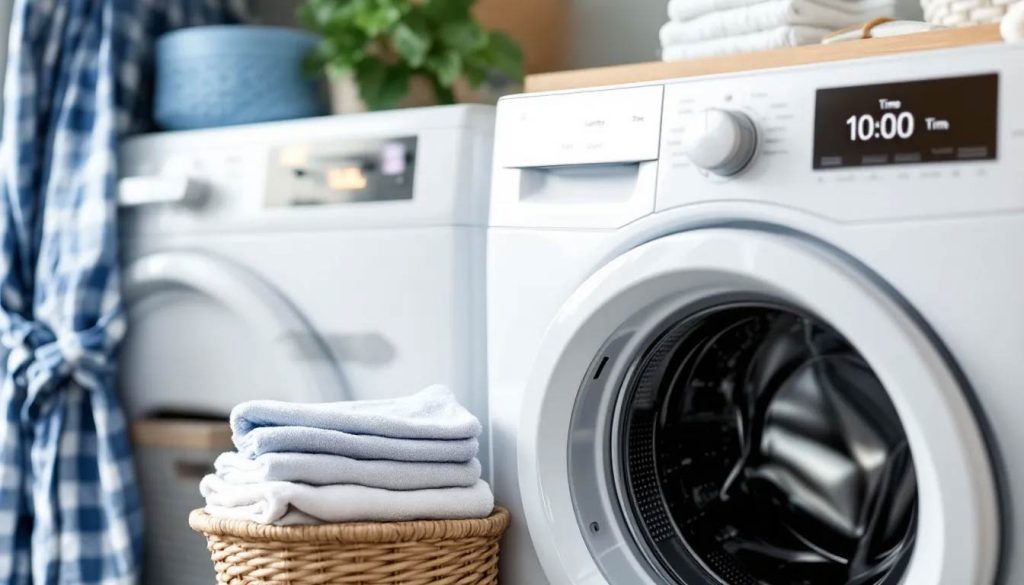



Arm and Hammer commercial laundry detergent is a reliable choice for businesses and households handling heavy loads. At Oasis Laundry, we’ve seen firsthand how the right detergent technique makes a real difference in cleaning results and costs.
This guide walks you through selecting the right product, using it correctly, and getting the most value from every wash cycle.
Which Arm and Hammer Product Works Best for Your Operation
Arm and Hammer offers four distinct product formats, and your choice depends on your specific needs rather than personal preference. The Laundry Paks are pre-measured concentrated packets that eliminate guessing-drop one pak for regular loads and two for heavily soiled items. These work in all water temperatures and machine types, including high-efficiency models, making them ideal for commercial operations that value consistency and speed. The liquid detergent provides flexibility for custom dosing when you need to adjust for water hardness or load size, though it requires more attention during measuring. Powder formulations deliver strong value per load and work exceptionally well for heavy-duty cleaning, particularly for towels and industrial linens. The Sensitive Skin Free and Clear variant exists for facilities serving clients with skin sensitivities, though it sacrifices some cleaning power compared to standard formulations. Most commercial operations benefit most from the Paks because they reduce labor time and eliminate overdosing, which Consumer Reports notes is a common problem that wastes product and leaves residue on fabrics.

Match Your Product to Fabric and Soil Types
Arm and Hammer Plus OxiClean Stain Fighters targets set-in stains and works best on whites and colorfast fabrics when you pre-treat stains for 5–10 minutes before washing. The Odor Blasters variant addresses persistent smells in towels, bedding, and workout clothes-problems that standard detergent alone cannot solve. For general household and commercial laundry, the standard Clean Burst formula handles most loads effectively without specialty additives. Hard water reduces detergent effectiveness significantly, so if your facility operates in a hard water area, you may need to increase dosage or add a water-softening booster regardless of which Arm and Hammer product you select. Washing sheets and towels in hot water when possible removes more dirt and germs, and Arm and Hammer formulations dissolve efficiently in hot, warm, and cold temperatures.
Calculate True Cost Per Load
Laundry Paks cost more per unit than liquid, but the concentrated formula means you use less total product per load. A 19-count pak box handles approximately 19 regular loads or 9–10 heavily soiled loads, making the per-load cost predictable and easier to budget. Powder detergent typically offers the lowest cost per load but requires more careful measuring and dissolving in warm water for top-load machines. Liquid detergent falls between these options in cost and convenience. For commercial laundry operations, the Paks eliminate measuring errors that waste product-overdosing is common and directly reduces your profit margin on each load. Understanding these cost differences helps you select the format that aligns with your operation’s workflow and budget constraints.
Getting the Dosage and Temperature Right
Choose the Right Dosage Method for Your Operation
Arm and Hammer Laundry Paks eliminate the most common dosing mistake in commercial operations: overdosing. One pak handles regular loads perfectly, and two paks tackle heavily soiled items without any guesswork. If you use liquid detergent instead, measure precisely with the cap provided rather than eyeballing the amount. Consumer Reports found that overdosing wastes product and leaves visible residue on fabrics, which means customers notice poor quality and you lose money on every load. For powder formulations, dissolve the detergent in warm water before adding it to top-load machines without hot water dispensers, which ensures complete dissolution and even distribution across the load.
Match Dosage to Load Size and Soil Level
Load size directly affects dosage: a half-full washer requires less detergent than a completely full one, and commercial operations handling consistent load sizes should establish a standard measurement to maintain quality and control costs. Never fill the washer beyond capacity, as overloading reduces cleaning effectiveness regardless of detergent amount and forces longer cycle times that waste water and energy. Heavy soil levels demand more detergent than light loads, so inspect items before washing and adjust your dosage accordingly.
Select Water Temperature Based on Fabric and Soil
Hot water works best for whites, heavily soiled linens, and items with grease or body oils, which is why hospitality facilities and healthcare operations typically use hot cycles for towels and bedding. Cold water saves energy and protects colors, and Arm and Hammer formulations dissolve efficiently in cold temperatures with fast-dissolving microcrystals that break down dirt and set-in stains without requiring heat. Sheets and towels benefit from hot water washing when possible because heat removes more dirt and germs, directly improving hygiene standards for facilities serving guests or patients.
Match Washer Cycles to Fabric Type
Select the appropriate washer cycle based on fabric type and soil level: Normal or Regular cycles suit most commercial loads, Permanent Press works for mixed fabrics and moderate soiling, Heavy Duty handles towels and industrial linens, and Delicate cycles require cold water regardless of detergent choice. Transfer clothes to the dryer within two hours after washing to prevent odor development and reduce wrinkles, which keeps items fresh and reduces finishing time in your operation. Proper cycle selection combined with correct dosage and temperature sets the foundation for consistent results across every load you process.

How to Get More from Every Load
Pre-treat Stains for Superior Results
Pre-treating stains separates adequate results from excellent ones, and the difference in cleaning performance is measurable. Apply Arm and Hammer Plus OxiClean Stain Fighters directly to the stain and let it sit for 5–10 minutes before loading the washer. This brief waiting period allows the formula to penetrate fibers and break down set-in stains that hot water and detergent alone cannot fully remove.
For commercial operations handling linens, uniforms, or bedding, pre-treating heavily soiled items reduces the need for rewashing, which saves both product and labor costs. Grease stains, body oils, and food marks respond particularly well to pre-treatment, so inspect items as they arrive and prioritize treating visible problem areas. Skipping this step wastes detergent because you end up running full cycles on already-clean fabrics while stubborn stains remain untouched.
Boost Results with Baking Soda and Odor Control
Arm and Hammer Baking Soda offers another practical option for tough odors: add half a cup to the rinse cycle to freshen towels, bedding, and workout clothes without relying on chemical fragrances. This approach works especially well for musty gym clothes or towels that develop sour odors between washes.
Arm and Hammer Odor Blasters targets persistent body odor, sweat, and musty smells in fabrics where standard detergent falls short, making it essential for facilities handling high-sweat-load items like athletic wear or hospitality linens. Pair Stain Fighters with Odor Blasters in the same cycle to address both problems simultaneously rather than running separate loads, which reduces water consumption and energy costs.
Store Detergent Properly to Maintain Effectiveness
Storage habits directly impact product effectiveness and your bottom line: keep detergent in a cool, dry place away from direct sunlight and humidity, which degrades the formula over time. Liquid detergent in particular loses potency when exposed to temperature fluctuations, so avoid storing bottles in unheated garages or near heat sources.
Arm and Hammer Laundry Paks remain stable longer than liquids because the concentrated microcrystal format resists environmental degradation, giving commercial operations a practical advantage for bulk purchasing and inventory management.
Measure Accurately to Control Costs
Measure detergent with the provided cap or scoop rather than eyeballing amounts, which prevents the overdosing that Consumer Reports identified as a widespread problem causing visible residue and wasted product. Establish a consistent measuring routine for your facility to eliminate human error and maintain predictable per-load costs across every wash cycle.
Final Thoughts
Arm and Hammer commercial laundry detergent delivers results when you apply the right techniques consistently. Selecting the correct product format, measuring precisely, matching water temperature to fabric type, and treating stains before washing work together to produce reliable outcomes while controlling costs. Overdosing remains the most expensive mistake in commercial laundry, and switching to Laundry Paks eliminates this problem by removing guesswork from every load.
Consistency matters more than perfection in your operation. When you establish a standard routine for dosing, temperature selection, and pre-treatment, your facility maintains quality across hundreds of loads without variation. This reliability builds customer trust and protects your profit margins by preventing rewashes and product waste. A commercial operation washing 20 loads daily saves approximately 15 percent on detergent costs by eliminating overdosing alone, which translates to significant annual savings.

Start implementing these practices immediately with your next batch of loads. Track your results for two weeks and note improvements in cleaning quality and per-load costs. If your operation handles high volumes or specialized items like linens and uniforms, Oasis Laundry offers tailored commercial services with guaranteed quality and timely delivery, allowing you to focus on your core business while maintaining exceptional standards.