

Laundry consumes hours every week for most households, yet simple changes can reclaim significant time. We at Oasis Laundry know that time-saving laundry tips don’t require expensive equipment or complicated systems.
This guide walks you through practical strategies that work immediately, from sorting clothes smarter to removing wrinkles faster. You’ll find concrete methods to cut your laundry time without sacrificing clean, well-maintained clothes.
How to Sort and Prep Clothes Before Washing
Sorting clothes correctly eliminates wasted cycles and prevents color bleeding that forces re-washing. Divide your laundry into three main categories: whites, darks, and mixed colors. This approach prevents dye transfer from darker fabrics onto lighter garments, a common mistake that ruins clothing. Darks require zippers and buttons fastened to avoid snagging other items during the wash. Spandex items demand separation because regular bleach degrades elastic fibers over time, shortening the lifespan of athletic wear and swimwear. Once you establish this sorting system, the process takes less than five minutes and saves you from rewashing loads that suffered color damage.
Treat Stains Within the First 15 Minutes
Stains set quickly, and waiting hours before treatment makes removal significantly harder. Treat stains within the first 15 minutes to prevent them from bonding permanently to fabric fibers. For small grease stains, rub chalk onto the affected area, wait a few minutes, then launder as normal. This simple technique works because chalk absorbs the grease before it penetrates the fabric.
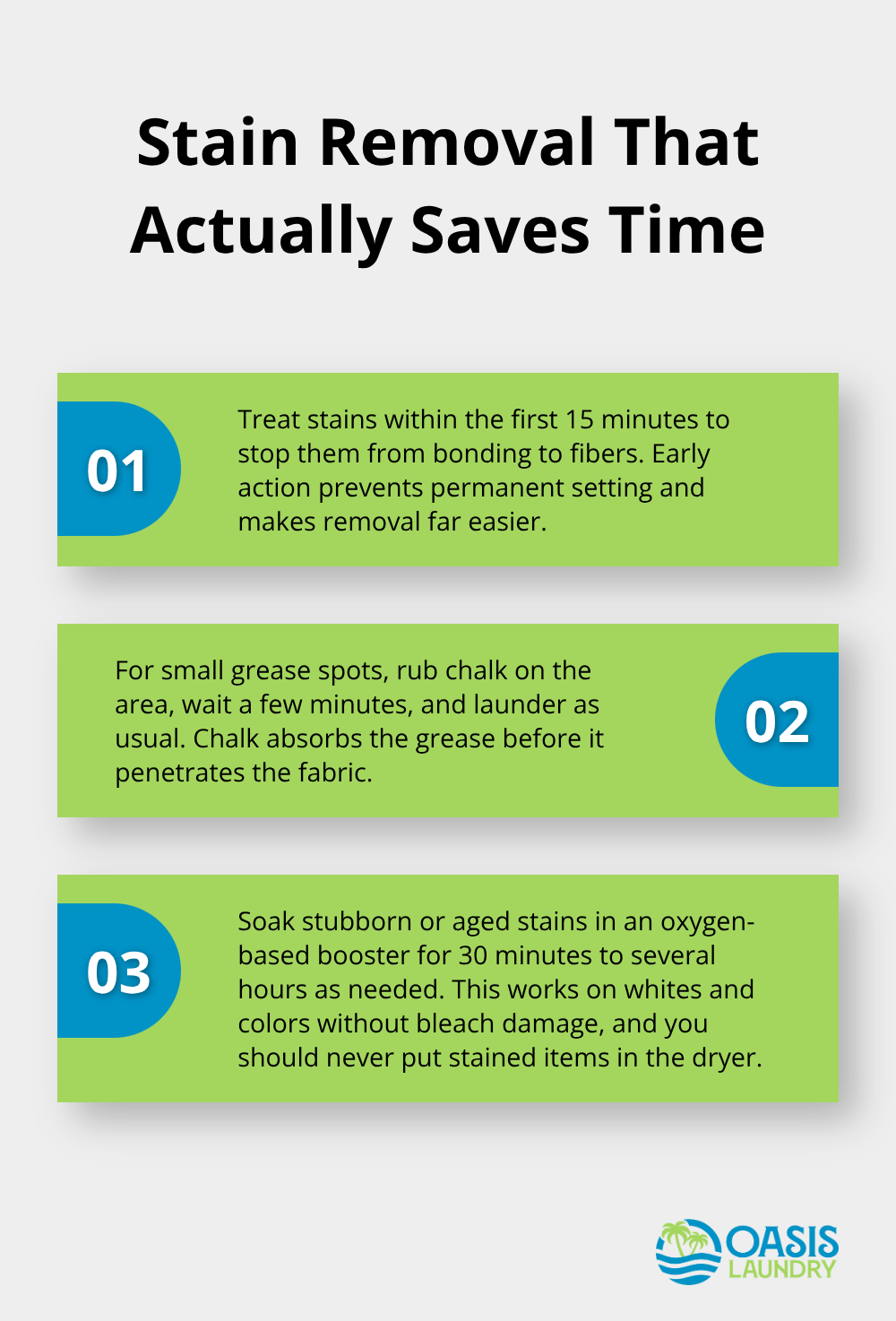
Stubborn stains benefit from soaking with an oxygen-based booster for at least 30 minutes or several hours for aged stains, which works on both whites and colored fabrics without causing bleach damage. Never toss stained clothes in the dryer, as heat sets stains permanently and makes removal nearly impossible afterward.
Build a Load Schedule That Fits Your Reality
Create a weekly plan if daily washing isn’t feasible: Load 1 for bleach-safe items like bedding and bath towels, Load 2 for darks, Load 3 for mixed colors, and Load 4 for whites with spandex. For large households, towels alone may require a second weekly load since they accumulate quickly and need washing separately to prevent lint transfer. Smaller households typically manage one weekly towel load by swapping towels every 3 to 4 days, keeping them fresh between washes. Schedule each load on a specific day (Tuesday for darks, Thursday for mixed colors) so everyone knows when laundry happens. This consistency prevents clothing from piling up and creates predictable timing for when clean clothes appear in drawers.
Move Forward With Efficient Washing
The sorting and scheduling work you complete now directly impacts how fast your washing and drying cycles run. Clothes that are properly sorted wash more effectively, dry faster, and require less ironing afterward. Your next step involves loading machines strategically and choosing the right water temperature for each load type.
Washing and Drying Smarter
Choose the Right Water Temperature
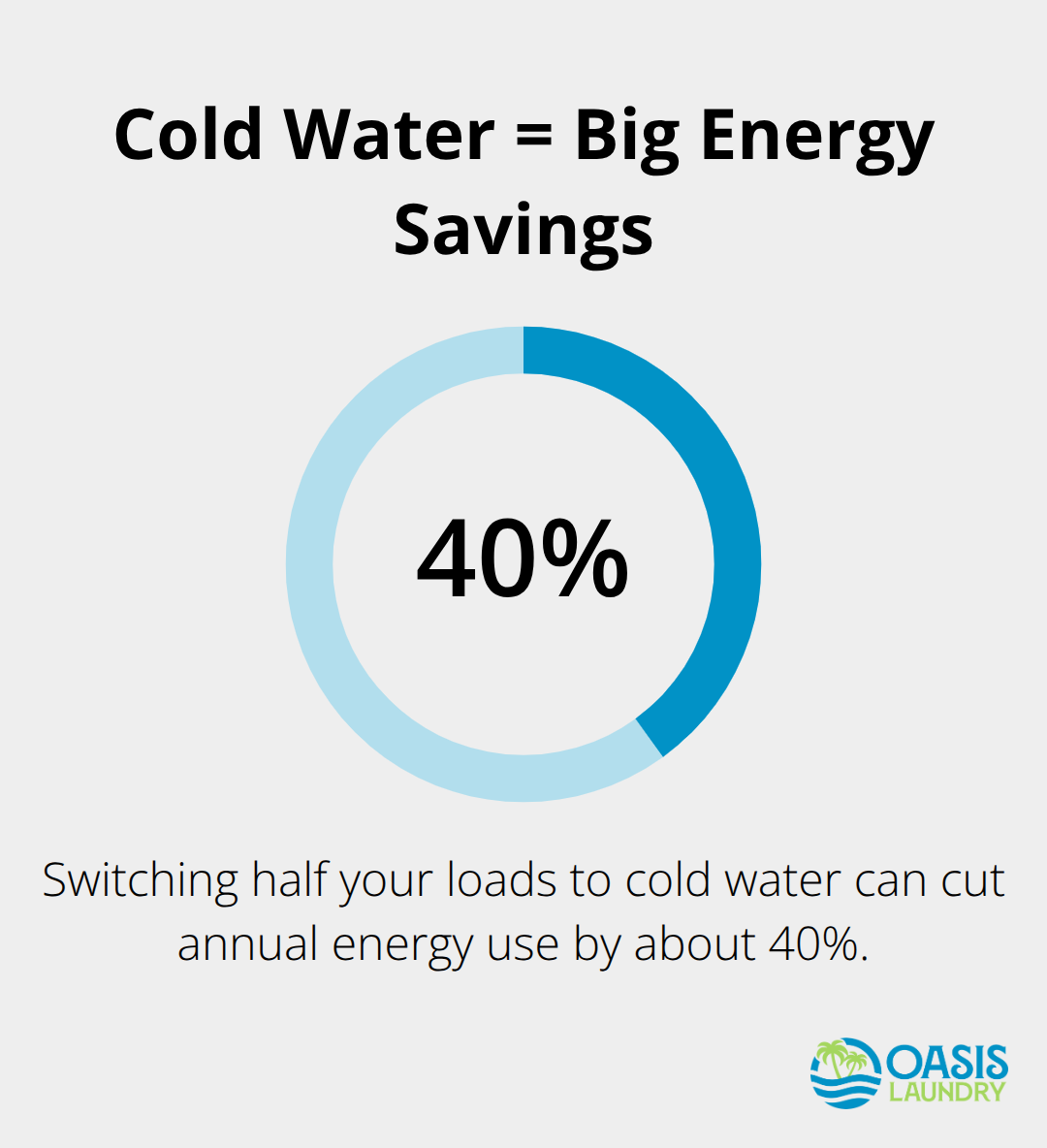
Water temperature directly impacts how fast clothes dry and whether fabrics maintain their shape. Cold water works for darks, mixed colors, and lightly soiled loads because it prevents dye bleeding and saves energy compared to warm or hot cycles. Hot water belongs only on heavily soiled whites, bedding, and towels where sanitization matters. The energy savings from cold water are significant: switching to cold water for just half your loads cuts energy consumption by roughly 40 percent annually.
Most modern detergents, including plant-based formulas, work effectively in cold water, so you lose nothing in cleaning power while gaining time and money.
Load Machines Strategically
Filling your washer properly matters more than most people realize. Overstuffed machines prevent water and detergent from circulating properly, leaving clothes inadequately cleaned and forcing rewashing that wastes time and water. Fill the drum until clothes fit snugly without forcing them down, leaving roughly a hand’s width of space at the top. One small daily load takes up about half a laundry bin for a family of four, keeping machines efficient and drying times predictable. Front-load washers complete a cycle in 30 to 45 minutes depending on soil level, while top-loaders typically run 35 to 55 minutes. Choosing a speed wash cycle reduces this further to approximately 37 minutes for small, lightly soiled loads without sacrificing cleanliness.
Transfer and Dry Clothes Promptly
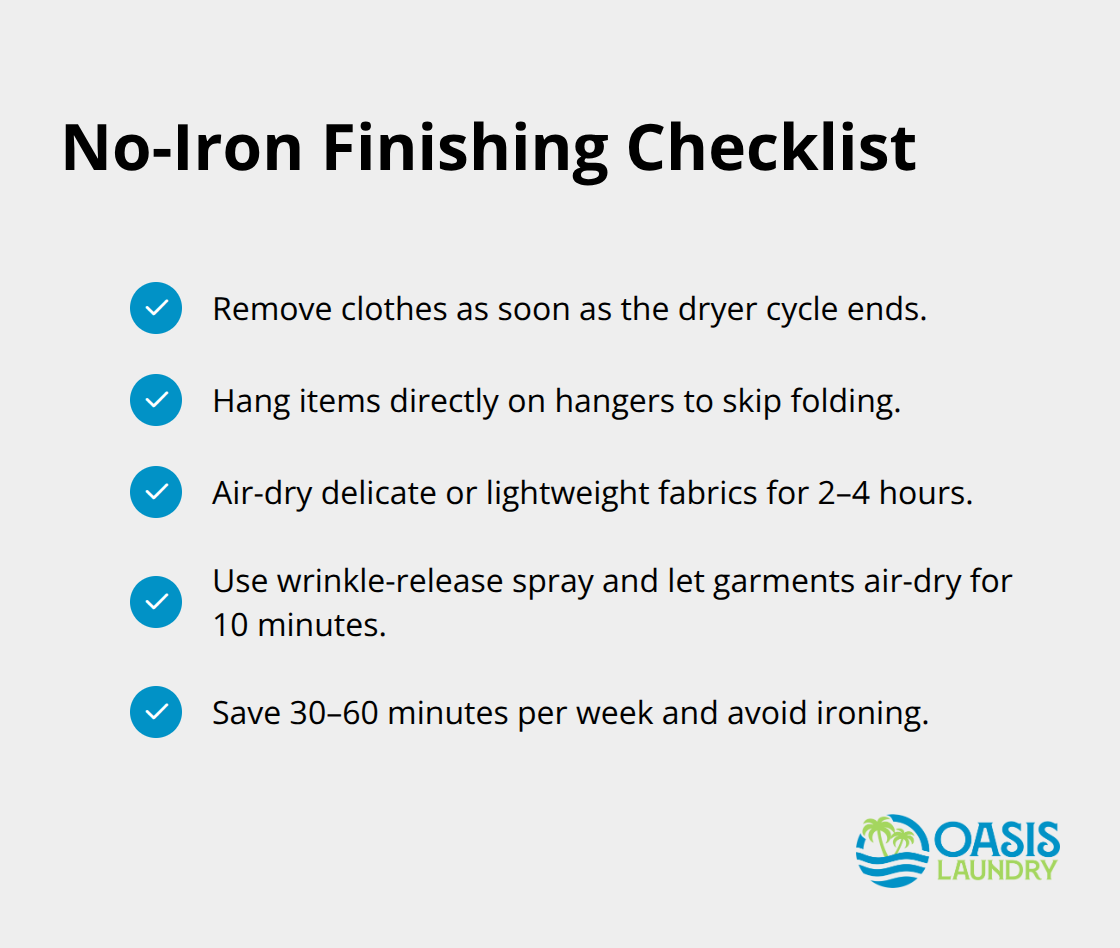
Transfer wet clothes to the dryer immediately after the wash cycle ends to prevent musty odors that require rewashing, a costly mistake many households make repeatedly. Small loads typically dry completely in about 45 minutes, while larger loads need 60 to 75 minutes depending on fabric weight. Remove clothes the moment the dryer signals completion because wrinkles begin setting within minutes of the cycle ending. Hanging clothes directly from the dryer on hangers eliminates folding time entirely for items like shirts, pants, and dresses, while lightweight fabrics air-dry successfully on a rack in roughly two to four hours. Folding immediately after drying preserves the smooth finish and prevents you from re-sorting piles that migrate across furniture.
Minimize Wrinkles Before They Form
Clothes left sitting in the dryer overnight require re-drying or ironing, adding unnecessary steps to your routine. This timing matters because wrinkles set quickly once the cycle ends. The speed at which you move clothes from washer to dryer to closet determines whether you spend extra time fighting wrinkles later. Establishing this rhythm transforms drying from a passive waiting period into an active part of your laundry flow, setting you up for the final stage where smart techniques eliminate ironing almost entirely.
How to Finish Laundry Without Ironing
Protect Delicate Fabrics From Heat Damage
Delicate fabrics require a different approach than sturdy cotton or linen. Silk blouses, satin camisoles, and lightweight knits should never enter the dryer because high heat damages delicate fabric fibers and creates wrinkles that steam alone cannot remove. Instead, hang these pieces on a rack or clothesline immediately after hand-washing or the delicate cycle completes. Air-drying takes two to four hours depending on humidity and air circulation, but you reclaim hours because these garments arrive wrinkle-free and ready to wear without any ironing step. This approach works especially well for workout gear containing spandex, which degrades under heat and loses elasticity faster when tumbled in a dryer.
Remove Clothes Immediately to Prevent Wrinkles
The moment your dryer signals completion for all other loads, pull clothes out immediately. Wrinkles begin setting after a finished dryer cycle, which is why timing matters far more than people acknowledge. Hanging items directly on hangers from the dryer eliminates folding for shirts, blouses, pants, and dresses entirely, cutting your finishing time dramatically. This single shift in timing transforms your entire laundry routine and removes the need for an ironing board setup.
Use Wrinkle-Release Spray for Quick Touch-ups
For fabrics that do wrinkle, a wrinkle-release spray applied directly to the garment and allowed to air-dry for ten minutes removes most creases without heat. These sprays contain fabric relaxants that release wrinkles as moisture evaporates, costing roughly two dollars per bottle and lasting through dozens of applications. This single tool prevents the need to heat up an iron, which takes five to ten minutes to warm and requires ironing board setup. For small touch-ups on collar creases or sleeve wrinkles, the spray works in the morning while you dress, requiring no extra time.
Combine Strategies to Eliminate Ironing
The combination of prompt removal, strategic air-drying, and targeted spray application eliminates ironing from your routine almost entirely, saving thirty to sixty minutes per week depending on household size. These three techniques work together to keep clothes wrinkle-free from the moment they leave the dryer through the moment you wear them. Most households find that one or two bottles of wrinkle-release spray last several months, making this approach both time-efficient and cost-effective compared to traditional ironing.
Final Thoughts
The time-saving laundry tips covered throughout this guide work because they address the actual bottlenecks in your routine. Sorting clothes correctly prevents rewashing. Treating stains immediately stops permanent damage. Removing clothes promptly eliminates wrinkles before they set.
Your clothes last longer when you handle them properly, reducing replacement costs and closet clutter. Energy consumption drops when you use cold water and avoid rewashing damaged loads. The mental burden of laundry decreases when you follow a consistent schedule instead of facing chaotic piles.
Some households still find that even optimized routines demand more time than they want to spend. We at Oasis Laundry understand this reality, and our pickup and next-day delivery service handles laundry for busy individuals and families who prefer to redirect those hours toward work, family, or rest. Whether you need regular service or occasional help during overwhelming weeks, outsourcing remains a legitimate option when time constraints make it the smarter choice.