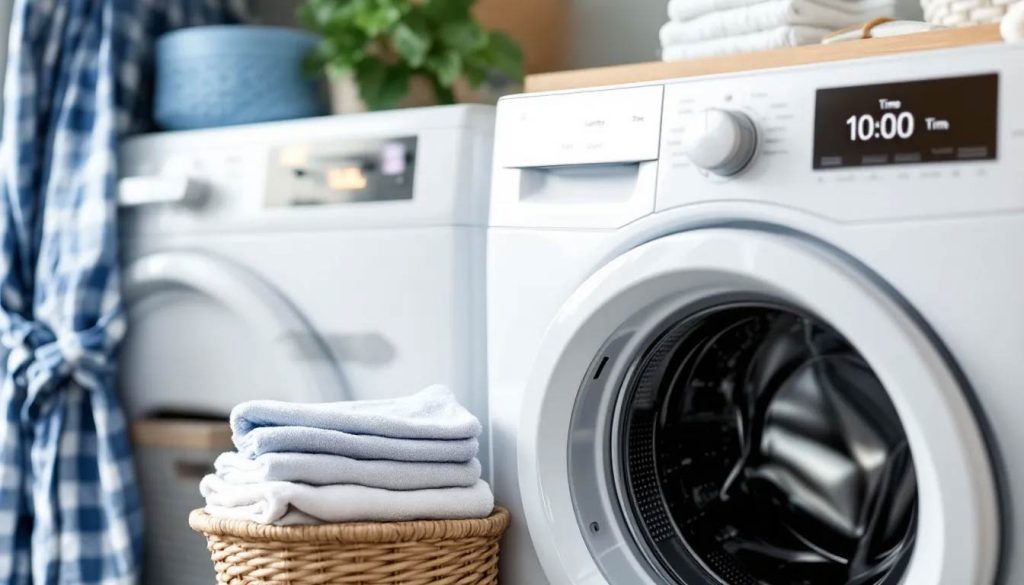



A well-designed commercial laundry room can transform your business operations and bottom line. Whether you’re opening a new facility or upgrading an existing one, the layout, equipment, and systems you choose directly impact efficiency and profitability.
We at Oasis Laundry know that getting these details right from the start saves thousands in costly mistakes later. This guide walks you through every essential step, from space planning to compliance and sustainability.
How Much Space Do You Actually Need?
Start by measuring your room in square feet, then work backward from your equipment needs rather than forward from available space. A practical planning guideline calls for about 5 square feet of floor space per machine, according to industry standards. If you install three washers and three dryers, you need a minimum of 30 square feet just for the machines themselves. However, the real constraint isn’t the machines-it’s the space around them. You need at least 48 inches of clearance in front of each machine to allow loading, unloading, and comfortable movement. Between adjacent machines, maintain at least 18 inches of space for safe passage and operation. This means a row of three washers actually requires roughly 14 feet of linear space when you factor in the front clearance.

Add sorting tables, folding stations, and a utility sink, and your true minimum space jumps significantly. Many owners underestimate by 30 to 40 percent because they only count machine footprints. Ground floor placement is ideal-it provides a solid base for heavy machines, reduces noise and vibration issues, and makes daily access easier for staff. Avoid upper floors or basement spaces where structural concerns and access problems create ongoing headaches.
Allocate Space for Workflow Efficiency
Allocate roughly one-third of your space to the soiled linen side and two-thirds to the clean linen side. This split supports proper infection control and prevents cross-contamination. Position a handwash basin in the soiled linen area and a separate utility sink for mops and buckets on the clean side. Bright white lighting helps with stain detection during sorting, while task lighting over loading stations improves efficiency. The room needs at least one external wall for dryer exhaust and fresh air intake-this is non-negotiable for ventilation.
Location Matters More Than You Think
Position your laundry away from main entrances, offices, kitchens, or food areas to minimize disruption and cross-contamination risks. Natural light where possible improves the working environment and reduces staff fatigue. Install solid concrete flooring that’s slip-resistant, waterproof, and resistant to bleach and detergents. It must bear heavy machine loads and constant traffic without deteriorating.
Ventilation Prevents Future Problems
Ventilation requires combining natural airflow with mechanical HVAC or controlled infiltration to manage moisture and heat. Poor ventilation causes mold, odors, and health issues that cost far more to fix later than to plan properly upfront. With your space and layout locked in, the next step is selecting the right equipment and technology that fits your workflow and capacity needs.
The Right Equipment Makes or Breaks Your Operation
Your equipment choices determine whether your laundry runs smoothly or becomes a constant source of frustration. High-capacity commercial washers and dryers aren’t luxury upgrades-they’re the foundation of your business model. A standard residential machine handles about 4.5 kilograms per cycle, while commercial equipment manages 20 to 45 kilograms depending on the model. This difference directly impacts your daily throughput. If you process 200 kilograms of laundry daily, a residential machine requires roughly 45 cycles while a commercial washer completes the same volume in 5 to 10 cycles.

The time savings alone justify the investment, but commercial machines also feature reinforced drums, faster spin speeds that reduce drying time by 20 to 30 percent, and components designed to withstand thousands of cycles annually without degradation.
Select the Right Dryers for Your Budget and Space
Gas-powered dryers cost significantly less to operate than electric alternatives in most markets. On average, an energy-efficient electric dryer costs about $120–130 per year to operate, while a similar gas dryer costs about $85 annually. However, gas equipment requires proper venting with exhaust ducts sized according to manufacturer specifications-undersized ducts create heat buildup and reduce efficiency. Electric dryers work well in facilities without gas lines, though they demand three-phase electrical service in most commercial settings. Regardless of type, dryer exhaust must terminate away from building openings, with gas flues positioned at least 2000 millimeters from windows, doors, or air intake vents to prevent odor complaints and ensure safety.
Organize Your Workflow With Proper Sorting and Folding Infrastructure
Sorting tables and folding stations occupy roughly 15 to 20 percent of your total laundry space and directly influence staff productivity. Position sorting tables in the soiled linen area under bright white lighting to enable accurate stain detection and fabric assessment before washing. Folding stations belong on the clean side, positioned away from any soiled linen to prevent cross-contamination. Concrete flooring with integrated drain troughs containing lint filters simplifies cleanup and reduces plumbing strain. Drain troughs capture lint and suds, lowering the risk of clogs that force expensive emergency repairs. Polypropylene troughs resist bleach and detergent chemicals, extending their lifespan significantly compared to standard drainage. Install a handwash basin in the soiled area and a separate utility sink for mops and buckets on the clean side-this separation prevents cross-contamination and supports infection control standards.
Integrate Payment and Management Systems
Payment systems and management software deserve equal attention to physical equipment. Cloud-based laundry management platforms track machine usage, generate revenue reports, and identify maintenance needs before breakdowns occur. Integration with payment systems (whether card readers, mobile apps, or coin mechanisms) streamlines customer transactions and reduces cash handling. Facilities processing 100 or more loads weekly benefit substantially from automated systems that eliminate manual record-keeping and reduce staff time spent on administrative tasks by 60 to 70 percent. With your equipment and workflow systems in place, compliance and safety standards become your next critical focus to protect both your investment and your staff.
Compliance, Safety, and Sustainability Standards
Building codes and regulations exist for good reason-they prevent fires, protect workers, and keep your facility operational without costly shutdowns. OSHA requires commercial washing machines to have mechanisms that hold doors or covers open during loading and unloading for safety, and this isn’t optional. The ADA and International Building Code set additional requirements: if you install more than three washing machines, at least two must be accessible under ADA guidelines. Your jurisdiction may impose stricter standards, so contact your local building department before finalizing your layout. Ground floor placement already helps here by simplifying structural compliance, but you’ll also need proper floor drains with standing pipe traps and fixture drains at least 2 inches in diameter. Many owners skip this detail and face expensive retrofitting later.
Meet Local Building Codes and Regulations
Gas appliances demand an emergency isolation point at an exit that’s readily accessible, and linking it to your fire alarm system adds a critical safety layer. Dryer exhaust duct sizing must match manufacturer specifications exactly-undersized ducts trap heat and create fire risk, while oversized ducts reduce efficiency. Verify this specification before installation, not after. Your plumbing needs a main drainage connection with a soil vent pipe or stub stack minimum 100 millimeters in diameter to handle the volume from multiple washers without backing up.

Position this on the wet side of your facility, away from clean linen storage.
Implement Fire Safety and Emergency Protocols
Fire safety demands serious attention because commercial laundries face genuine combustion risk. Install automatic fire alarms with remote signaling to a monitoring centre, with detectors in both your processing and storage zones. Sprinkler systems effectively mitigate fires from spontaneous combustion in tightly packed linen-this is especially important if you store finished loads before delivery. Staff training on fire procedures and regular drills matter as much as equipment; many facilities implement weekly lint clearing and daily combustible removal routines to reduce risk significantly.
Optimize Water and Energy Efficiency
Commercial washers typically require hot and cold water at up to 24 liters per minute at 1.5 bar minimum pressure, so verify your water supply meets this before equipment installation. Many washers include a built-in type A air gap, eliminating the need for dedicated backflow prevention devices. Energy-efficient tumble dryers with sensor technology reduce energy consumption significantly compared to older models, cutting drying time and operational costs simultaneously. Polypropylene drain troughs with integrated lint filters reduce plumbing strain and lower maintenance frequency-lint buildup in standard drainage causes expensive clogs that disrupt operations. Design your layout from the start around chosen machines and plumbing to optimize drainage capacity, preventing future bottlenecks that force operational slowdowns.
Final Thoughts
A well-designed commercial laundry room delivers measurable returns that extend far beyond opening day. The upfront investment in proper layout, compliant equipment, and safety systems pays dividends through reduced downtime, lower maintenance costs, and improved staff efficiency. Facilities that allocate space correctly and install commercial-grade equipment see operational costs drop by 20 to 30 percent compared to those built without planning.
Start your implementation by measuring your space and working backward from your equipment needs rather than forward from available square footage. Contact your local building department to confirm zoning requirements and code compliance before finalizing your layout. Engage with equipment suppliers early to verify water pressure, electrical capacity, and gas line specifications so your facility supports your chosen machines without costly upgrades.
We at Oasis Laundry understand the complexity of launching or upgrading a commercial laundry room, and we’re here to support your success with tailored solutions for your business needs. Visit Oasis Laundry to explore how we can help your facility thrive. Your commercial laundry room is the foundation of your business-build it right from the start.