


Picking the wrong commercial laundry facility can waste your time and money. The right one saves you both while keeping your clothes in perfect condition.
At Oasis Laundry, we’ve seen businesses and homeowners struggle with this choice. This guide walks you through exactly what matters when evaluating a facility.
What Makes Equipment and Location the Real Deal-Breakers
Machine Quality Determines Your Results
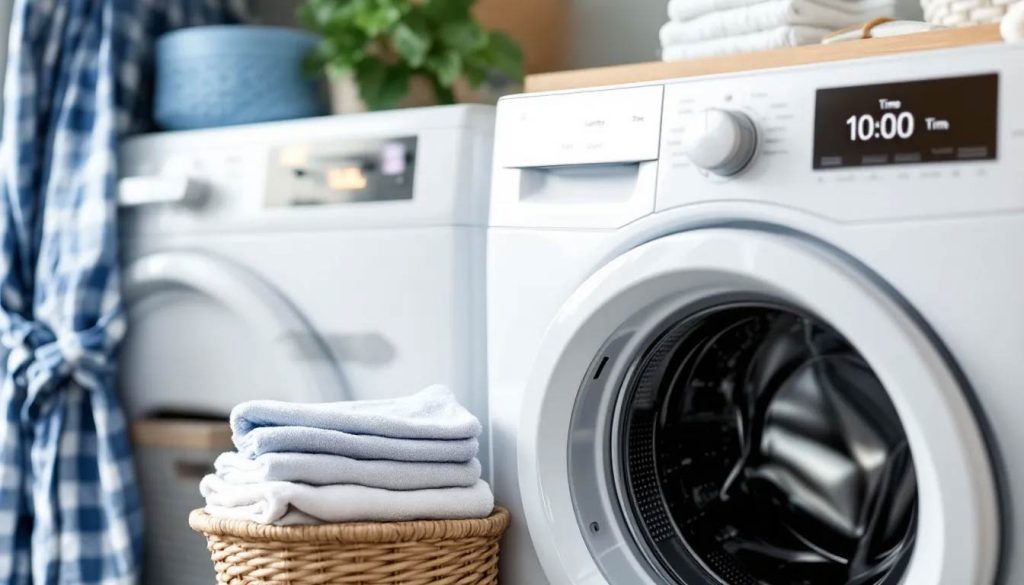
Machine quality directly affects how well your clothes come out and how long the facility stays operational. Front-load washers outperform top-load models in water and energy efficiency, using roughly 25% more efficiency compared to top load impeller washers. If a facility stocks mostly older top-load machines, you’ll face higher water bills and slower cycles.

Check whether machines have moisture sensors on dryers-these automatically stop the cycle when clothes reach the right dryness level, preventing shrinkage and damage. Ask the facility manager when equipment was last serviced and how often machines break down. A facility that maintains equipment on a strict schedule tells you they take operations seriously.
Capacity and Peak-Hour Availability
Capacity matters more than you think, especially during peak hours. If you need laundry done on Tuesday evening or Saturday morning, a small facility with four washers and three dryers will leave you waiting or turning customers away. Look for a facility with enough machines to handle your peak-time needs without forcing you into off-peak hours. Most commercial laundry facilities see their heaviest traffic between 5 PM and 8 PM on weekdays and all day Saturday. If your schedule demands those times, the facility needs excess capacity to absorb that demand.
Location and Hours Shape Your Experience
Location and operating hours determine whether a facility fits into your life or becomes another errand that drains your time. A facility ten minutes away beats one thirty minutes away, even if the distant one costs slightly less. Travel time compounds-if you visit twice weekly, that’s nearly seven hours per year spent driving. Operating hours matter equally; a facility closing at 9 PM doesn’t work if you finish work at 8:30 PM. Some facilities now offer 24-hour access through keycard systems, which appeals to shift workers and busy professionals.
Payment Options and Digital Access
Digital payment options have become standard since the pandemic, with adoption roughly doubling according to industry data. Facilities offering mobile payment apps eliminate the need to carry quarters or cash. You’ll want to confirm that your preferred payment method works at the facility before you commit to using it regularly.
The right facility combines reliable machines, adequate capacity during your preferred hours, and genuine accessibility. Next, you’ll want to understand what services and features separate an average facility from an exceptional one.
What to Look For Beyond the Machines
Pricing Structure and Payment Transparency
Pricing transparency separates trustworthy facilities from those hiding fees behind fine print. Per-pound rates work best for commercial operations because you pay only for what you use, with no surprise charges for pickup, delivery, or rush turnaround. Facilities charging flat monthly memberships often lock you into contracts that penalize you if your laundry volume drops seasonally. Ask directly about surcharges-some facilities tack on extra fees for folding, pressing, or weekend access that aren’t mentioned upfront.
Digital Payment Options and System Reliability
Payment flexibility matters more than ever since the pandemic doubled digital adoption across laundry facilities. Mobile app payments, contactless card readers, and traditional coin slots should all work smoothly without technical glitches. Test the payment system during your first visit; if the app crashes or the card reader rejects valid cards, that’s a sign the facility neglects technology maintenance. A facility that invests in reliable payment infrastructure shows it cares about your experience.
Cleanliness Standards and Equipment Maintenance
Cleanliness standards reveal how seriously a facility manages operations. Walk through and check whether floors stay swept daily, whether machines have visible lint buildup inside drums, and whether restrooms stock supplies. A facility with grimy equipment won’t protect your textiles properly. Ask when the last deep cleaning happened and whether they use commercial-grade disinfectants between cycles. For businesses handling uniforms or linens, this matters enormously-cross-contamination between loads undermines hygiene standards.
Finishing Services and Item Tracking
Additional services like folding and pressing transform a basic laundry facility into a time-saving partner. Pressing services cost between 50 cents and 2 dollars per item depending on complexity, but they eliminate the need for in-house finishing equipment. Folding services typically charge per pound and range from 50 cents to 1 dollar per pound. These services appeal most to hospitality businesses and restaurants managing high-volume linen turnover.

Verify that finishing services maintain separation between clients’ items-mixing your restaurant’s tablecloths with another business’s uniforms defeats the purpose of outsourcing. Some facilities now offer RFID tracking on items, which prevents loss and provides usage data for cost control. This technology helps you understand exactly how many linens you need and identifies items disappearing into employee bags or laundry carts. The questions you ask before signing up reveal whether a facility truly stands behind its operations or simply wants your money.
Questions to Ask Before Committing
Machine Breakdown Protocols and Emergency Response
Ask any facility manager directly about their breakdown protocol before you commit your laundry schedule to them. Most facilities experience machine failures during peak hours, and their response determines whether you face a minor inconvenience or a major operational disruption. Request their average downtime per machine annually and whether they maintain backup equipment or partner with nearby facilities to handle overflow during emergencies. A facility claiming zero breakdowns is lying; instead, look for one that responds to failures within two hours during operating hours and offers alternatives like directing you to a partner location or providing service credits. Test this by asking what happened the last time a washer failed on a Saturday morning-their specific answer reveals whether they take contingency planning seriously or improvise.
Customer Reviews and Track Record Verification
Customer reviews tell a different story than marketing materials. Search Google Maps, Yelp, and industry-specific forums for patterns in complaints. One negative review about slow machines means nothing; three reviews mentioning the same dryer running cold indicates a systemic maintenance problem. Look for facilities with consistent five-star ratings across multiple platforms, which signals reliable operations over time. Pay attention to reviews mentioning staff responsiveness-a facility that addresses complaints quickly demonstrates commitment to customer satisfaction.
Contract Terms and Flexibility Requirements
Contract requirements deserve scrutiny because they lock you into long-term commitments that penalize flexibility. Month-to-month arrangements work best for businesses with fluctuating laundry volumes (seasonal restaurants, event venues, and growing startups) because you can scale down without penalty clauses. Facilities demanding six or twelve-month contracts often impose early termination fees ranging from 25 to 50 percent of remaining contract value. Ask whether the contract includes price escalation clauses that allow them to raise rates annually; some contracts hide this in fine print, meaning your per-pound cost climbs five to ten percent each year. Request a sample contract and have someone review the specific language around equipment failures, service credits, and exit terms before signing anything.

Final Thoughts
Machine quality, service transparency, and operational fit determine whether a commercial laundry facility works for your business. A facility with well-maintained front-load washers, moisture sensors on dryers, and consistent maintenance schedules protects your textiles while reducing water and energy costs. Capacity during peak hours matters far more than low prices if you cannot access machines when you need them, and location plus operating hours determine whether the facility becomes genuine convenience or another time drain.
Payment transparency and contract flexibility separate facilities that respect your business from those that exploit lock-in clauses. Month-to-month arrangements beat long-term contracts when your laundry volume fluctuates seasonally, and digital payment options now matter as much as machine quality since the pandemic doubled adoption across the industry. Before committing, verify their breakdown protocol, ask for specific examples of how they handled recent machine failures, and request a sample contract for someone to review the fine print around price escalation clauses and early termination fees.
The right commercial laundry facility becomes a genuine business partner that frees your staff to focus on core operations instead of laundry logistics. We at Oasis Laundry understand this partnership matters, whether you need pickup and next-day delivery for residential or commercial linens, self-service facilities with modern machines, or textile restoration after water or fire damage. Visit Oasis Laundry to explore how convenient, eco-friendly laundry solutions can simplify your operations and protect your textiles.