


Hotels process thousands of pounds of linens weekly, and selecting the right commercial laundry machines directly impacts both your bottom line and guest experience. We at Oasis Laundry understand that choosing equipment involves balancing capacity, efficiency, and cost-decisions that affect your entire operation.
This guide walks you through the machine types available, the features that matter most, and how to calculate real returns on your investment.
Types of Commercial Laundry Machines for Hotels
Washers and Their Capacity Options
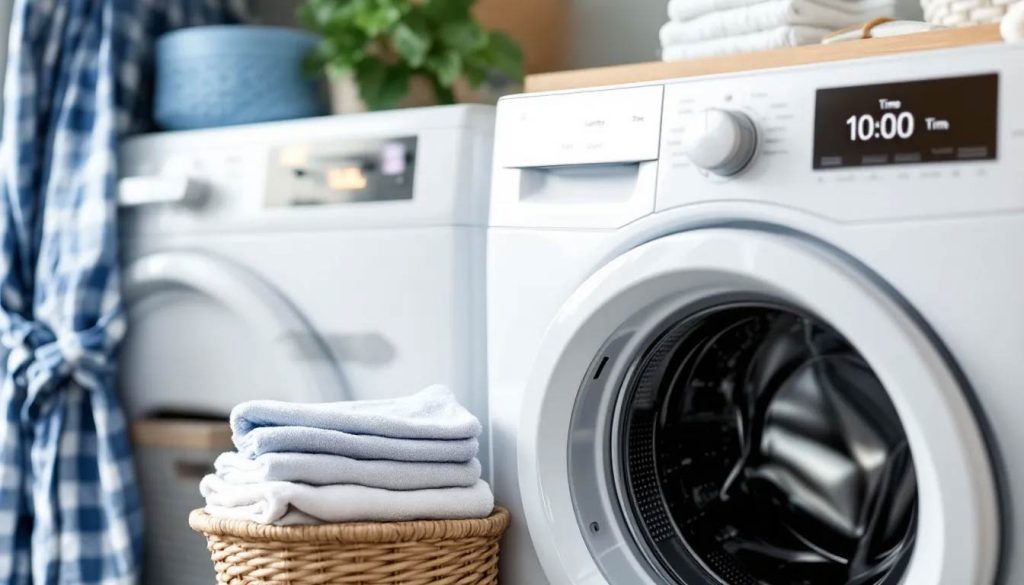
Front-load commercial washers dominate hotel operations because they deliver superior water and energy efficiency compared to top-load models. A 50-room hotel needs roughly one pound of washer capacity per room, meaning five 20-pound washers or a combination like three 30-pound and two 20-pound units. For an 80-room property, plan for five 30-pound washers and three 50-pound machines to handle approximately 1,200 pounds of daily laundry at full occupancy. The math is straightforward: assume 15 pounds per occupied room daily, multiply by your room count, then add 30 percent for wet weight. Front-loaders cost more upfront than top-loaders-typically $1,500 to $8,000 per unit depending on capacity-but they extract water faster, reducing dryer time and energy costs significantly. This efficiency matters because hotels spend roughly $75,000 annually on laundry operations in a 150-room property, making equipment selection a direct profit lever.

Dryers Require More Capacity Than Washers
Most hotels underestimate dryer needs and create bottlenecks. You need dryers with 50 percent more capacity than your washers because linen dries slower than it washes. If your washers handle 100 pounds per hour, your dryers should process 150 pounds hourly to prevent wet linen from piling up. Stacked dryer units save floor space in tight laundry rooms and cost between $6,500 and $18,000 depending on capacity, while traditional side-by-side configurations offer easier access for staff. High-speed extraction washers reduce moisture in linens before drying, cutting dryer runtime by 20 to 30 minutes per load. Over-dry protection features preserve fabric quality and extend linen lifespan, preventing the brittleness that reduces towel and sheet durability. A 100-room hotel typically needs two 170-pound dryers plus four 75-pound units to maintain smooth operations without staff waiting.
Finishing Equipment Separates Premium from Average
Pressing and ironing equipment transforms guest perception of cleanliness. Commercial steam ironers enhance efficiency and improve linen quality, while industrial folders speed folding for standard linens. Smaller properties can manage with basic pressing boards and handheld steamers, but properties with 75 rooms or more benefit from automated finishing equipment that reduces labor costs and improves consistency. The investment typically ranges from $2,000 for entry-level equipment to $15,000 for semi-automated systems, but labor savings of two to three hours daily justify the expense in properties processing 2,000 pounds weekly. Quality finishing directly impacts guest satisfaction-wrinkled linens signal poor maintenance regardless of cleanliness, while crisp, professionally finished items enhance perceived value and justify premium room rates.
Once you understand what machines your hotel needs, the next step involves identifying which specific features will deliver the best performance and longevity for your operation.
What Machine Features Actually Save Hotels Money
Energy and Water Efficiency Drive Real Savings
Energy and water consumption ratings directly determine your annual operating costs, and this is where most hotel operators make poor choices. ENERGY STAR certified machines use about 30% less water than standard models, which matters enormously when your annual water usage reaches 34,000 gallons for a typical hotel laundry operation. A 150-room hotel spending $75,000 annually on laundry can recover 15 to 20 percent of that expense through equipment efficiency alone. Front-load washers with advanced extraction technology reduce moisture content before drying, cutting dryer time by 20 to 30 minutes per load. This translates directly to lower gas or electric bills.

Smart dosing technology automatically measures detergent based on water level, eliminating chemical waste that erodes your margins. Temperature controls matter too-machines optimized for specific fabric types prevent unnecessary heating cycles that waste energy. When comparing models, request actual water and energy consumption figures rather than accepting manufacturer claims alone. Calculate your payback period by multiplying daily loads by your local utility rates, then comparing that against the price difference between efficient and standard machines. A $2,000 premium for a high-efficiency washer often pays for itself within two to three years through utility savings, then continues delivering profit for the remaining 10 to 15 year lifespan.
Durability and Maintenance Costs Determine Long-Term Profitability
Durability and maintenance costs separate machines that drain your budget from those that build equity. Commercial machines last 10 to 15 years or 5,000 to 8,000 cycles when properly maintained, but only if you select models built with industrial-grade components and soft-mount designs that reduce vibration and component stress. Annual maintenance costs typically run $500 to $1,500 per machine, with service plans ranging from $345 to $755 yearly-budget 3 to 5 percent of your purchase price annually for ongoing care. Sturdier construction matters because frequent repairs create downtime that forces you to send linens to external vendors at premium rates. Machines with over-dry protection and programmable cycles reduce staff errors that damage equipment prematurely.
Speed and Throughput Capabilities Prevent Operational Bottlenecks
Speed and throughput capabilities determine whether your laundry room keeps pace with occupancy or creates bottlenecks that compromise guest experience. High-speed extraction washers remove more moisture, allowing dryers to finish loads faster and process more volume daily. A property processing 1,200 pounds of daily laundry needs machines that complete full cycles within one hour during peak periods, not 90-minute cycles that force you to hire additional staff or purchase extra equipment. Cycle time directly impacts labor costs-if finishing takes three hours daily with manual pressing, semi-automated equipment reduces that to one hour, saving roughly $15,000 to $25,000 annually in wage expenses. Request actual cycle time specifications from manufacturers rather than relying on marketing materials, then calculate whether faster throughput justifies the higher equipment cost at your specific occupancy rates.
These performance metrics form the foundation of smart equipment selection, but understanding your hotel’s specific capacity needs transforms that knowledge into actionable purchasing decisions.
Cost Considerations and ROI for Hotel Operations
Initial Equipment Investment and Financing Options
Commercial laundry equipment represents a significant capital investment, but viewing it purely as expense rather than profit-generating asset leads to poor purchasing decisions. A typical 50-room hotel needs roughly five 20-pound washers, three 30-pound washers, and multiple dryers totaling around $15,000 to $30,000 in equipment costs. An 80-room property requires approximately $25,000 to $45,000 in washer and dryer capacity, while a 100-room hotel should budget $40,000 to $70,000 for adequate throughput.

These figures assume mid-range commercial equipment from established manufacturers like Speed Queen, Maytag, Dexter, or Electrolux Professional.
Installation and delivery add $500 to $1,500 per machine, potentially adding $5,000 to $15,000 to your total project cost depending on site modifications needed. Most hotels finance equipment through monthly payments ranging from $100 to $500 per machine, with promotional offers like 0% APR for 18 months available from qualified suppliers. IRS Section 179 tax deductions reduce net equipment costs for eligible buyers, effectively lowering your true investment by 20 to 30 percent depending on tax circumstances.
The critical insight remains straightforward: a $40,000 equipment investment at a 100-room hotel costs roughly $0.27 per occupied room daily when financed over five years, negligible compared to the $75,000 annual laundry expense that property would face without efficiency improvements.
Labor Savings and Operational Efficiency Gains
Labor represents your largest ongoing laundry expense, and equipment selection directly determines staffing requirements and wage costs. A property processing 1,200 pounds of daily laundry manually requires two full-time employees at roughly $30,000 to $35,000 annually per person, totaling $60,000 to $70,000 in annual wages. Semi-automated finishing equipment reduces pressing time from three hours daily to one hour, eliminating one staff position and saving $30,000 to $35,000 annually.
High-speed extraction washers allow customers to wash, dry and fold laundry in 60 minutes or less, lowering energy consumption enough to justify equipment premiums within two to three years through utility savings alone. Annual water usage for hotel laundry reaches approximately 34,000 gallons, and ENERGY STAR rated machines use 45 percent less water than standard models, translating to roughly 15,000 gallons saved annually. At typical commercial water rates of $8 to $12 per 1,000 gallons, that efficiency gain saves $120 to $180 annually per machine.
Hotels spend roughly 20 to 25 percent of gross revenue on utilities, making laundry efficiency a direct profit lever that compounds over equipment lifespan. The payback period for high-efficiency equipment typically spans two to three years through combined labor and utility savings.
Long-Term Maintenance and Replacement Costs
Maintenance costs typically run $500 to $1,500 annually per machine, with service plans ranging from $345 to $755 yearly, so budget 3 to 5 percent of purchase price annually for upkeep. Machines lasting 10 to 15 years with proper maintenance generate substantial returns when you calculate total cost of ownership across their full lifespan rather than focusing on initial purchase price alone.
Sturdier construction matters because frequent repairs create downtime that forces you to send linens to external vendors at premium rates. Machines with over-dry protection and programmable cycles reduce staff errors that damage equipment prematurely. Selecting durable equipment from reputable manufacturers protects your investment and maintains consistent linen quality throughout the machine’s operational life.
Final Thoughts
Selecting the right commercial laundry machines for hotels requires you to balance capacity that matches your occupancy, efficiency that protects your margins, and durability that builds long-term value. Front-load washers with high-speed extraction, dryers sized 50 percent larger than your washers, and finishing equipment appropriate to your property size create the foundation for smooth daily operations. Energy and water efficiency matter because a 150-room hotel spends roughly $75,000 annually on laundry, and equipment upgrades recover 15 to 20 percent of that expense through utility savings alone.
The operational impact extends directly to guest satisfaction, as crisp, professionally finished linens signal quality and care while wrinkled items damage your reputation regardless of cleanliness. Fast throughput prevents bottlenecks that force you to send linens to external vendors at premium rates, protecting both your budget and service consistency. Labor savings from semi-automated equipment reduce staffing requirements and free your team to focus on other guest-facing priorities.
Your next step involves calculating your specific capacity needs based on room count and occupancy patterns, then requesting actual performance specifications from equipment suppliers rather than relying on marketing claims. Compare total cost of ownership across five to ten years, not just initial purchase price, and consider financing options and tax deductions that reduce your true investment. If managing equipment selection feels overwhelming, Oasis Laundry offers tailored commercial laundry services with guaranteed quality and timely delivery, allowing you to focus on hospitality while professionals handle your linen operations.