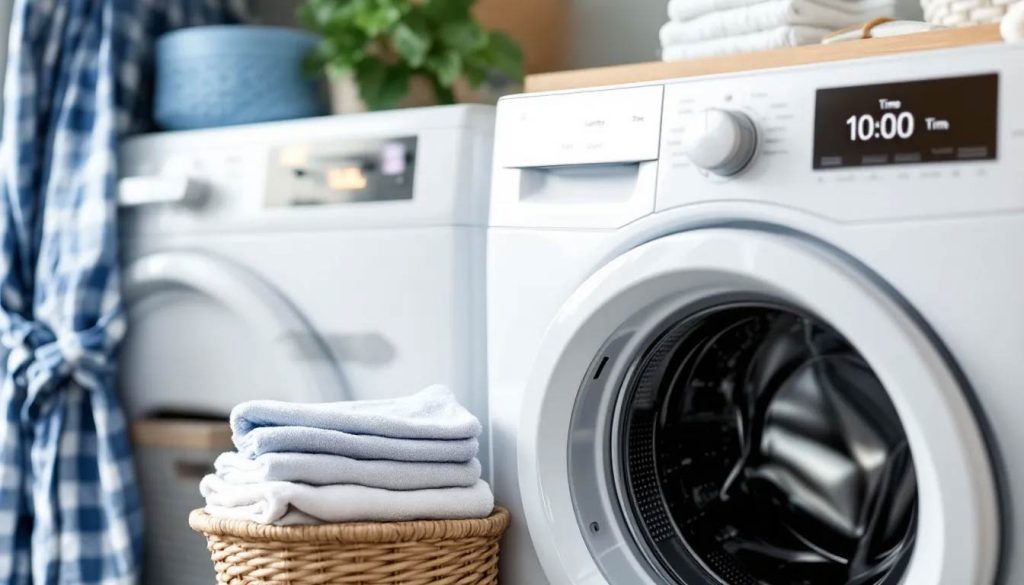



Commercial laundry machine prices vary dramatically depending on what you need and how you plan to use the equipment. At Oasis Laundry, we know that choosing the right machines involves understanding both upfront costs and long-term value.
This guide breaks down pricing across different equipment types, explores what drives costs up or down, and shows you practical ways to stretch your budget further.
What Drives Commercial Laundry Machine Prices
Machine capacity and type form the foundation of pricing in commercial laundry. A 20-pound washer costs between $1,500 and $3,000, while a 50-pound washer runs $3,000 to $5,000. Front-load washers command higher prices than top-load models, often ranging from $2,000 to $5,000, because they deliver superior efficiency and faster cycle times. Dryers follow a similar pattern: standard capacity models cost $1,000 to $3,000, while high-capacity units designed for 50 to 75 pounds of laundry reach $3,000 to $6,000. Your actual spending depends entirely on the volume you need to process. A small laundromat with 15 to 20 machines requires $40,000 to $100,000 in total equipment investment, while a large operation demands considerably more.
Energy Efficiency Adds Upfront Cost but Saves Money Later
Energy-efficient models add $1,000 to $2,000 to the upfront cost, but the U.S. Department of Energy confirms these machines reduce utility bills significantly over time. The investment pays for itself through lower monthly utility expenses and positions your operation for long-term profitability. Energy Star certified commercial washers use about 45% less water than standard models and typically require less maintenance, which extends equipment lifespan. These models represent the smarter choice despite the higher initial price tag.
Brand Selection Matters More Than You Think
Speed Queen, Maytag, and Whirlpool command premium prices because they deliver proven durability and strong after-sales support. Speed Queen machines emphasize metal construction over plastic components, which directly reduces repair frequency and extends equipment lifespan. A basic Whirlpool top-load commercial washer costs around $1,196, while a Maytag front-load unit runs approximately $2,600. You pay extra for brand reputation, but that premium translates to fewer breakdowns, shorter downtime, and higher customer satisfaction.
Why Cheaper Brands Cost More Over Time
Cheaper brands may seem attractive initially, but they typically require more maintenance and fail sooner. The total cost of ownership-factoring in repairs, replacement parts, and lost revenue during downtime-makes established brands the practical investment. Used equipment presents a tempting alternative if budget constraints are tight, but machines with significant operating hours carry shorter remaining lifespans and weaker warranties. Prioritize new equipment from recognized manufacturers whenever possible, as the reliability gains far outweigh the additional expense. Understanding these pricing drivers helps you make informed decisions about which machines fit your operation’s needs and budget constraints.
What You’ll Actually Pay for Commercial Laundry Equipment
Washing Machine Costs Drive Your Budget
Washing machines form the core of your equipment investment, and prices shift dramatically based on capacity and technology. A top-load washer with 3.1 to 3.27 cubic feet capacity costs around $1,196 to $1,379, making it the entry point for small laundromats or rental properties. Front-load models jump to $2,000 to $5,000 because they handle larger loads faster and consume significantly less water and energy. If you operate a medium-sized laundromat, you’ll spend $40,000 to $100,000 on a complete 15 to 20 machine setup, with washers representing roughly 40 to 50 percent of that total. Speed Queen top-load washers typically cost around $1,379, while GE front-load units with 4.2 cubic feet capacity hover near $1,163. Capacity directly determines throughput and revenue potential, so undersizing machines to save upfront costs almost always backfires through lost volume and frustrated customers.
Dryers and Complementary Equipment
Dryers follow similar pricing tiers to washers and represent your second-largest equipment expense. Standard models run $1,000 to $3,000, while heavy-duty units reach $3,000 to $6,000. Pressing and finishing equipment represents a smaller but necessary investment for operations handling linens, uniforms, or specialty garments. Commercial-grade pressers and folders range from $2,000 to $8,000 depending on automation level and speed, with fully automated systems commanding premium prices.
Specialized Systems and Advanced Technology
Specialized textile care machines including ozone systems, water reclamation units, and advanced dryers designed for delicate fabrics add $3,000 to $12,000 per unit. Most small to mid-sized operations skip specialized equipment initially and add it only after their core washing and drying operation proves profitable. These machines matter most if your business focuses on high-margin services like restoration work or premium linen care.
Payment Systems and Installation Expenses
Payment flexibility affects your actual cost significantly: coinless payment systems using QR codes or card readers reduce cash handling complexity and maintenance headaches, though they typically add $500 to $1,500 to machine pricing. Installation and setup costs add another $1,000 to $5,000 per machine when plumbing or gas-line work is required, so factor this into your total project budget from the start. Understanding these specific costs helps you build an accurate financial plan before you commit to buying commercial laundry machines. The next section explores how to reduce these expenses through strategic purchasing decisions and leasing commercial laundry equipment.
Buying or Leasing: Which Strategy Cuts Your Real Costs
Financing Beats Leasing for Permanent Operations
Leasing commercial laundry equipment spreads costs across monthly payments of roughly $100 to $500 per machine, but the math favors buying for permanent operations. Financing through programs like Huebsch’s PREQUAL system covers up to 70% of your total project cost, meaning you need about 30% cash contribution with loan terms ranging from 36 to 120 months depending on your loan size. For a 15-machine laundromat costing $60,000, you’d finance $42,000 at competitive rates with no prepayment penalties and no security deposit required. The one-time administration fee of 0.5% (minimum $500) gets capitalized into the loan, so you avoid paying it upfront.

Credit decisions happen within 24 hours of submitting a complete application, and pre-qualification stays valid for 90 days, giving you time to source equipment and plan your launch.
Leasing makes sense only if you’re testing a new market location or expect equipment needs to change frequently. Permanent laundromats or wash-and-fold services should buy because ownership builds equity and provides tax depreciation benefits that leasing never delivers. You retain control over your equipment and avoid long-term payment obligations that drain cash flow.
Negotiate Bulk Discounts with Suppliers
Negotiating directly with suppliers yields better pricing than accepting published quotes, especially when you purchase multiple machines at once. Distributors know that bulk orders reduce their sales costs, and they’ll typically discount 5% to 15% off list prices when you commit to five or more units. A 10% reduction on a 20-machine order worth $50,000 saves you $5,000 immediately, money you can redirect toward installation or working capital.
Energy Efficiency Pays for Itself Quickly
Energy-efficient models cost more upfront but reduce monthly utility bills compared to standard machines, according to the U.S. Department of Energy. On a 20-machine operation running $2,000 monthly in utility costs, that efficiency investment pays for itself in roughly 18 months, then generates pure profit from reduced consumption. Maintenance costs also drop significantly with Energy Star certified equipment because these machines require less frequent repairs and use fewer replacement parts over their lifespan.
Calculate Total Cost of Ownership
Calculate your five-year total cost of ownership by adding equipment price plus estimated maintenance ($500 to $1,500 per machine annually) plus utility expenses, then compare that against cheaper alternatives. High-efficiency machines consistently win this comparison because their lower operating costs outweigh the higher purchase price, making them the only financially sensible choice for businesses planning to operate longer than three years. A standard washer might cost $1,500 upfront but consume significantly more water and energy, while an efficient model at $2,500 recovers that premium through operational savings within two years.
Final Thoughts
Commercial laundry machine prices reflect what you actually receive in return: durability, efficiency, and long-term profitability. The machines you select determine your operational costs, customer satisfaction, and revenue potential, so treating this decision as a strategic investment rather than a cost-cutting exercise pays dividends for years. Capacity drives your throughput, brand reputation protects your investment through reliability, and energy efficiency transforms your monthly expenses into competitive advantages.
Your budget planning must account for equipment cost, installation expenses, and ongoing maintenance plus utilities-a 15 to 20-machine operation requires $40,000 to $100,000 in total investment depending on whether you choose top-load or front-load washers and standard or high-capacity dryers. Financing programs covering 70% of project costs make equipment ownership accessible without depleting your working capital, while bulk purchasing discounts from suppliers reduce your total spending by 5% to 15%. Quality and reliability matter far more than initial price tags because cheaper equipment fails faster and costs significantly more to maintain over time.
We at Oasis Laundry understand that equipment decisions shape your entire business success. Visit Oasis Laundry to explore how we support your operation with quality equipment and professional guidance tailored to your specific needs.